The Grid: Understanding Disciplines and the Competitive Class System
1/28/20264 min read



There aren’t many sports where a 16-year-old elite prospect and a 92-year-old veteran can share the same stretch of terrain on a Sunday morning. Orienteering is often called “the sport for a lifetime,” and for good reason. Still, for newcomers, the wide range of ways to compete can feel overwhelming.
Whether you’re moving on foot, on skis, or on a bike, understanding the disciplines and class structure is the first step to truly understanding the sport.
In orienteering, the challenge isn’t only about speed. It’s about how you move, how you read the map, and who you are competing against. To keep racing fair and meaningful, the sport follows a carefully designed grid of disciplines, age classes, and technical difficulty levels.
The Four Major Disciplines
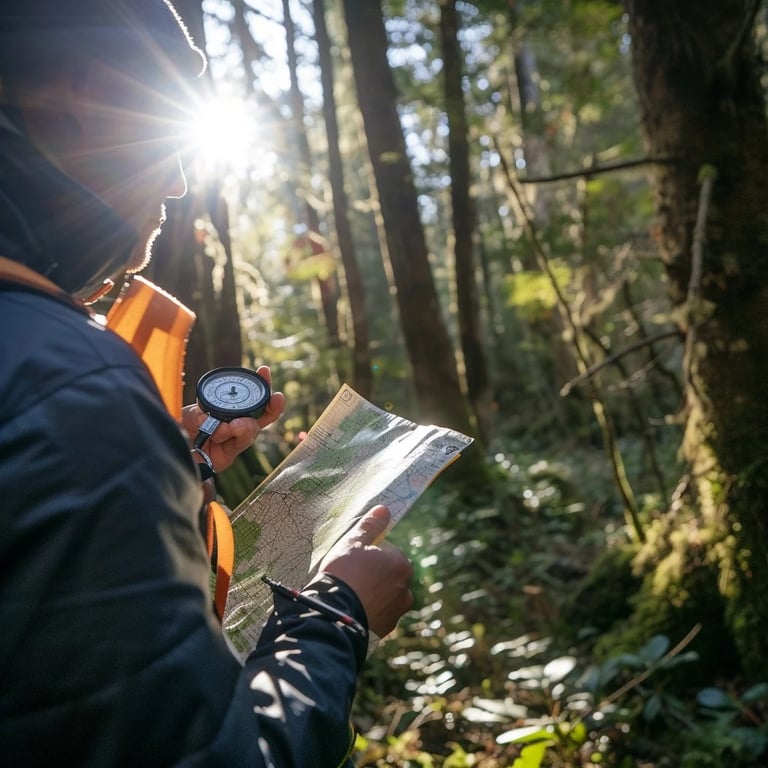
Orienteering is not limited to running. Depending on terrain, season, and equipment, the sport takes several forms, each with its own style of navigation and decision-making.
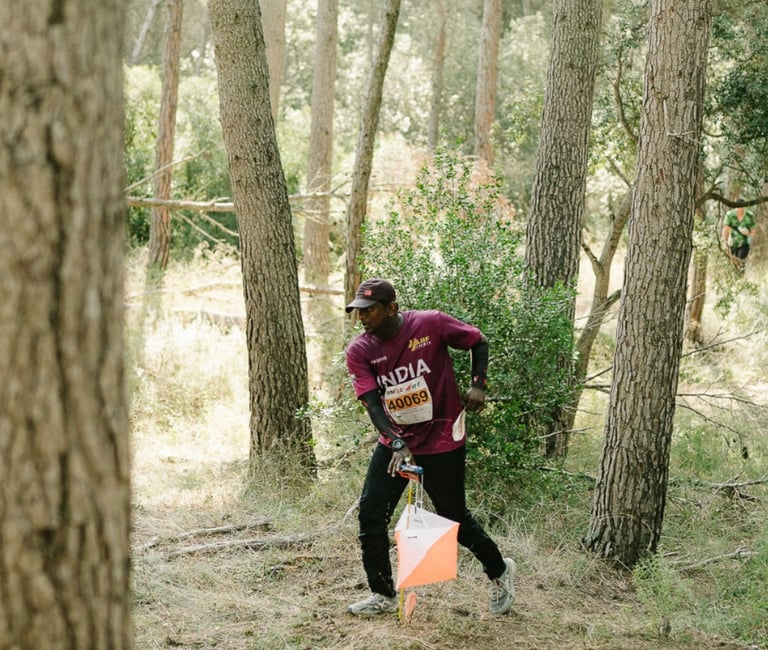
Foot-O (The Classic)
The most familiar and widely practiced form. Competitors navigate on foot through forests, open land, or urban areas.
Sprint – short, fast races (often 12–15 minutes) held in cities or compact areas.
Middle Distance – highly technical courses that reward precise navigation.
Long Distance – endurance-focused races lasting up to 90 minutes, testing both body and mind.
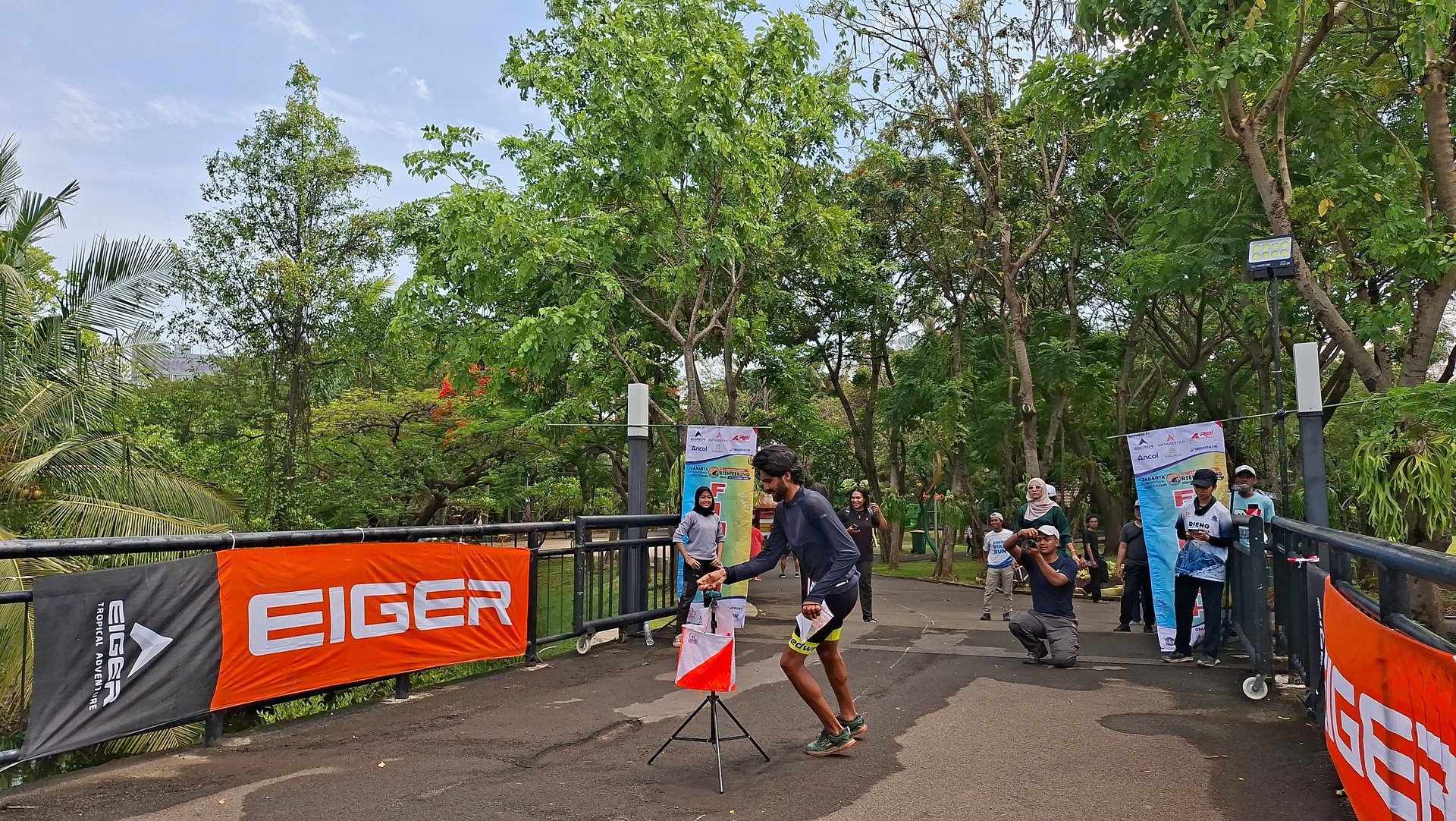
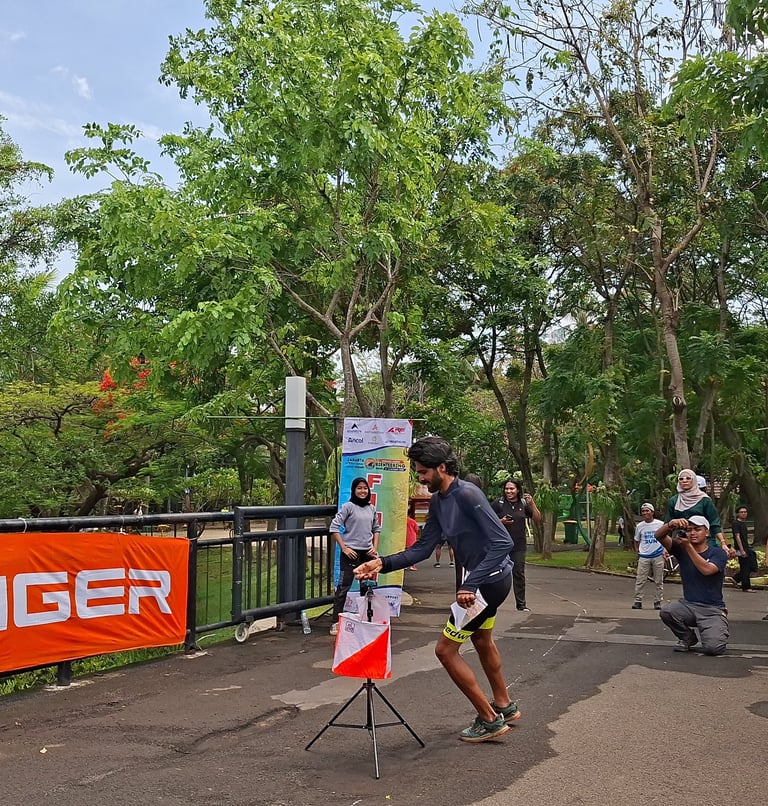
MTB-O (Mountain Bike Orienteering)
This discipline combines cycling speed with fast decision-making.
Maps are mounted on the handlebars.
Riders must stay on paths and tracks.
Route choice happens at speed, often over 30 km/h.
Success depends on choosing the fastest trail network rather than cutting straight through terrain.


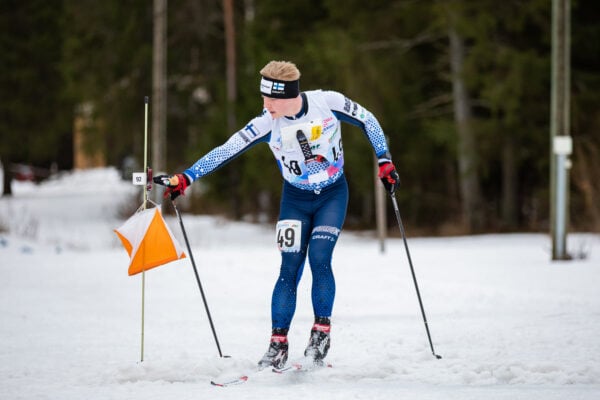
Ski-O (Ski Orienteering)
Held in snowy regions using cross-country skis.
Competitors navigate along prepared ski tracks.
The challenge lies in choosing between slow, narrow tracks or fast, wide ones.
Requires intense concentration while managing speed and cold conditions.
Trail-O (Precision Over Pace)
Trail-O removes speed from the equation.
Participants remain on fixed paths
The task is to identify the correct control from a distance
Physical ability does not decide the outcome
This discipline highlights pure map interpretation and is fully inclusive.
The Competitive Class System: Decoding the Grid
At competitions, results are not grouped simply as “Men” and “Women.” Instead, they follow an age-based class system designed to keep competition fair across a lifetime.
The Fundamentals
M = Men / Boys
W = Women / Girls
Numbers indicate age categories, usually in 5-year steps
For example: M16, W21, M40, W55.
The Junior Pathway (The 16s and 20s)
This is where the next generation of elite orienteers is developed.
1. M16 / W16
These classes mark a major turning point. Athletes move onto TD5 (Technical Difficulty 5) courses representing the highest navigation level.
At TD5:
Paths are no longer reliable guides
Navigation happens mostly off-trail
Controls are placed on subtle features
Constant map contact is essential
This is often where juniors learn the true mental demands of the sport.
2. M20 / W20
Often referred to as the Junior Elite years.
Athletes in these classes:
Run long TD5 courses
Balance speed with complex decision-making
Often train for national and international junior competitions
The Open Powerhouse (M21 / W21)
The Open class represents peak performance.
Open to adults of any age
Features the longest and most technically demanding courses
This is where the fastest navigators prove themselves
If someone wants to be known as the best, this is where they compete.
The “Elite” (E) Factor
At major events, an E is added to class names—such as M21E or W20E.
This marks the Elite level, reserved for top-ranked athletes.
These courses push navigation, endurance, and decision-making
to the highest level, often under intense pressure.
Masters and the 90+ Legends
Orienteering truly stands apart in how long athletes remain competitive.
Masters
Beginning at age 35, Masters classes continue in 5-year steps.
Courses gradually shorten with age
Technical difficulty often remains high
Experience becomes a key advantage
90+ Category
Classes such as M90 or W90 are common sights at major events. These competitors represent the heart of the sport—sharp minds, steady movement, and decades of skill.
Seeing a 90-plus-year-old calmly navigate a course is a powerful reminder of why orienteering is called a sport for life.
Summary: A Sport for Every Speed
Understanding the grid—disciplines, age classes, and technical difficulty—transforms orienteering from a simple run with a map into a deep, strategic sport.
Whether it’s a 16-year-old tackling TD5 for the first time or a 92-year-old enjoying a precise route through the forest, the satisfaction of finding the control is exactly the same.
That is the true magic of orienteering.
#orienteeringindia #iof #orienteeringsport #nthadventure #nthadventure #amplifyingadventure #adventureracingindia #worldstoughestteamsport #arworldseries #indiaarfederation #orienteering #indiaarchamps
Write to us: orienteering@nthadventure.com
For more information about the sport visit: https://www.orienteering.co.in